
The Origins of Slot Machines
Slot machines have a fascinating history that dates back to the late 19th century. Initially created as simple gambling devices, they were designed to entertain and attract players in saloons and gaming establishments. The very first slot machine, known as the Liberty Bell, was invented by Charles Fey in 1895. This machine had three spinning reels and featured symbols like horseshoes, diamonds, and the iconic Liberty Bell, which eventually led to the rise of online gaming options such as casino online platforms. Its simplicity laid the groundwork for the multi-reel, complex machines we see today, showcasing how innovation can transform a basic concept into a cultural phenomenon.
Over the years, slot machines underwent significant developments. By the mid-20th century, the addition of electric components allowed for a brighter, more engaging visual experience. With these innovations, manufacturers began to create more varied themes and gameplay features, transforming the slot machine from a simple game of chance into an immersive entertainment experience. The introduction of video slots in the 1970s marked a pivotal moment, allowing for enhanced graphics and interactive gameplay. These advancements helped to attract a broader audience, making slot machines a staple in gaming establishments worldwide.
Understanding the origins of these machines not only sheds light on their evolution but also helps dispel some common myths associated with them. Many players might think that they are a new phenomenon driven solely by technology, but their roots run deep in a rich gambling tradition. The evolution of slot machines reflects how players’ preferences have shifted over time, leading to more sophisticated designs and gameplay features that enhance user engagement, from themed adventures to intricate bonus rounds.
How Slot Machines Work
At their core, slot machines are built on random number generators (RNG), which determine the outcome of each spin. This technology ensures that every result is independent, meaning there is no pattern or predictable outcome. Many players believe that they can influence the results through timing or strategy, but in reality, each spin is completely random. The randomness is crucial for maintaining fairness in the game, ensuring that players have equal chances of winning with every play. Understanding this fundamental principle is essential for anyone looking to engage with slot machines responsibly.
Moreover, modern slot machines are designed with Return to Player (RTP) percentages in mind. The RTP is a measure of how much a slot machine pays back to players over time, expressed as a percentage. For example, if a slot has an RTP of 95%, it means that, theoretically, for every $100 wagered, the machine returns $95 to players in winnings. However, this percentage is calculated over a large number of plays and does not guarantee individual outcomes. Players should be aware that while RTP gives an idea of the machine’s payout potential, it does not predict short-term performance.

Understanding these mechanics can help clarify misconceptions about winning strategies. Players often think that playing during certain times of day or using specific betting patterns can lead to better outcomes. In reality, because of the RNG and the predetermined RTP, these methods have no effect on the likelihood of winning. Recognizing the inherent randomness of slot machines is essential for fostering a healthy gaming mindset, allowing players to enjoy the experience without falling into the trap of chasing losses or believing in superstitions.
Common Myths Surrounding Slot Machines
One prevalent myth about slot machines is that they have « hot » and « cold » streaks, leading players to believe that a machine that hasn’t paid out for a while is due for a win. This belief creates a sense of anticipation and can lead to players spending more time and money on these machines. However, this misconception overlooks the fact that each spin is independent, and the machine’s previous outcomes have no bearing on future results. Players may find themselves caught in a cycle of hope and disappointment, driven by the belief that luck is on the horizon.
Another common misunderstanding is that players can « trick » the machines. Some players might believe that by stopping the reels at the right moment, they can influence the result. While it might feel as though stopping the reels gives them control, it does not affect the outcome, as the RNG has already determined it at the time the spin is initiated. This illusion can lead to frustration and excessive gambling as players chase losses in hopes of finding a winning pattern. It’s essential to recognize that the design of these machines is intended to ensure fairness and unpredictability.
Moreover, many players think that slot machines are programmed to pay out at certain times. This notion fuels the belief that machines are manipulated to withhold payouts until a specific time or event occurs. In reality, such practices are illegal and unethical. Casino operators must adhere to strict regulations to ensure fairness and transparency. Recognizing these myths can lead to a more enjoyable and responsible gaming experience, allowing players to focus on the entertainment aspect rather than misconceptions about winning.
The Role of Casinos in Slot Machine Popularity
Casinos play a significant role in the popularity of slot machines, often dedicating entire sections to these games due to their high revenue potential. Slot machines account for a substantial portion of a casino’s income, making them a key attraction for players. Casinos employ various marketing strategies to draw players, including bonuses, loyalty programs, and special promotions, showcasing the allure of these games. These strategies not only enhance player engagement but also create a competitive environment that keeps players returning for more.
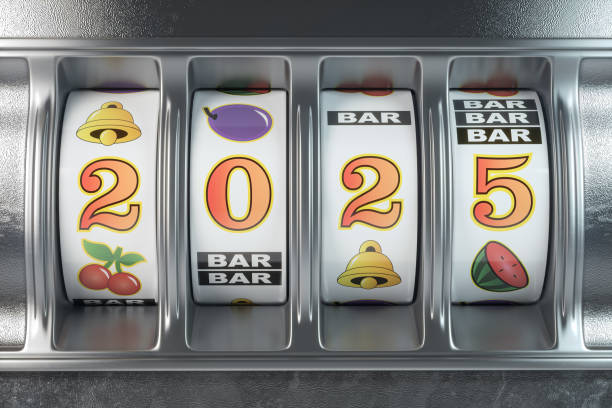
The vibrant, engaging environments created by casinos also contribute to the appeal of slot machines. Bright lights, exciting sounds, and themed machines create an immersive atmosphere that captivates players. This sensory stimulation can lead players to spend more time on the machines, often forgetting about their set budgets or time limits, which can result in increased gambling behavior. The psychological aspects of casino design are carefully considered to maximize player enjoyment and, subsequently, revenue.
Additionally, casinos continuously innovate within the slot machine realm by introducing new themes and technology. The rise of linked progressive jackpots, interactive gameplay features, and mobile-friendly slots keeps the experience fresh and exciting. As a result, casinos effectively foster a competitive landscape, pushing manufacturers to create ever-more captivating machines. This constant evolution ensures that slot machines remain a staple in the gaming world, appealing to both seasoned players and newcomers alike.
Finding Reliable Information on Slot Machines
In a world filled with myths and misinformation about slot machines, it’s crucial for players to seek reliable sources of information. Numerous platforms provide educational resources about how slot machines work, including their mechanics, odds, and responsible gaming practices. Websites dedicated to gambling education can help players make informed decisions and understand the intricacies of these popular games. Finding trustworthy information empowers players to approach their gaming experience with a clear understanding of what to expect.
Additionally, engaging with online forums and communities can provide insights into the experiences of other players. These platforms often feature discussions surrounding strategies, casino experiences, and the latest trends in the gaming industry. By sharing their experiences, players can gain a more comprehensive understanding of what to expect when playing slot machines and how to approach them responsibly. Such interactions can also foster a sense of community among players, enhancing the overall gaming experience.
Remember that gambling should be an enjoyable form of entertainment rather than a way to make money. Setting limits and adhering to them is crucial in maintaining a healthy relationship with gambling. Players should prioritize responsible gaming practices, ensuring that they are informed about the risks and potential for loss when engaging with slot machines and other games. A well-informed player is more likely to enjoy the experience while minimizing the risks associated with gambling.
