
The Nature of Luck in Gambling
Luck plays a central role in casino gambling, as many games are inherently designed with random outcomes. The unpredictability of certain games, such as slot machines and roulette, means that no matter how much you strategize, the outcome is largely left to chance. This element of luck is what makes these games appealing to many players, as it introduces the thrill of uncertainty and the possibility of sudden fortune, especially when engaging with fast payout online pokies australia that can turn a small investment into a big win. Players often experience a rollercoaster of emotions as they win and lose, driven primarily by the whims of luck.
While luck is undeniable, it is important to recognize that it can sometimes favor skilled players, particularly in games where strategic decisions can influence the odds. For example, in poker, the ability to read opponents and make calculated bets can shift the balance away from luck towards skill. This interplay creates an intriguing dynamic where players can utilize their understanding of the game to enhance their chances of success, even in situations heavily influenced by luck.
Understanding the role of luck in different casino games is crucial for players aiming to improve their gambling strategies. Some games, like blackjack, allow for a degree of skill to be applied, such as card counting, which can tip the odds in the player’s favor. Thus, while luck remains a fundamental part of gambling, skillful play can significantly impact the overall experience and potential outcomes for players, making it essential to develop a nuanced approach to gambling.
The Role of Skill in Casino Games
Skill manifests prominently in games like poker, where players engage in strategic thinking, bluffing, and risk assessment. Unlike games driven solely by chance, poker allows players to influence their fate through their decisions at the table. Experienced players who understand the nuances of the game, such as pot odds and player behavior, can significantly improve their winning probabilities. This skill-based approach distinguishes poker from other casino games, where luck is the primary determinant of success.
Moreover, table games like blackjack and craps benefit from players who have honed their skills. In blackjack, players can use strategies like basic strategy charts, which suggest the best action based on the cards dealt. This application of skill can minimize the house edge and increase the likelihood of a favorable outcome. Players who invest time in mastering these skills often find they can maintain a more consistent success rate over time compared to casual players who rely solely on luck.
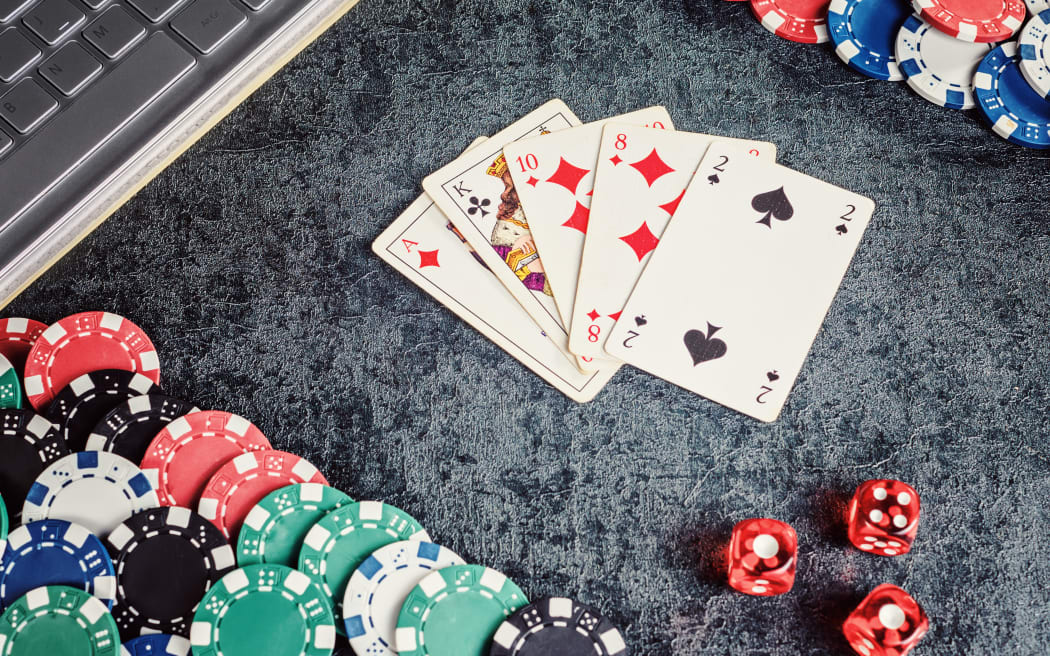
The impact of skill versus luck also extends to game choice. Players who understand the probabilities and strategies behind different games are more likely to select those that offer better odds. For example, selecting games with the lowest house edge or those that allow for player decisions can lead to more favorable outcomes. In this sense, skill not only alters the chances of winning but also empowers players to make informed choices about their gambling activities, ultimately enhancing their overall experience.
Games of Chance vs. Games of Skill
In the landscape of casino gambling, games can generally be categorized into two types: games of chance and games of skill. Games of chance, such as slots and roulette, rely heavily on randomization and offer little opportunity for player influence. In these games, luck reigns supreme, and players must accept the randomness of each spin or roll. The outcome of games like these can be exhilarating, but they also emphasize the unpredictability of gambling, often leading to emotional highs and lows.
Conversely, games of skill, such as poker and some variations of blackjack, allow players to shape their probabilities through strategic decision-making. The ability to analyze opponents, calculate risks, and employ techniques can turn the tide in favor of a knowledgeable player. This aspect creates a more engaging experience for those who prefer an element of control over their gambling outcomes, balancing the randomness of luck with the empowerment of skill. For many, this dynamic is what makes skill-based games particularly appealing.
Ultimately, the distinction between games of chance and games of skill highlights the varying experiences players can encounter. While some may thrive on the thrill of the unexpected in games of chance, others may find satisfaction in developing their skills and tactics in games where their decisions can directly impact their success. Recognizing this difference can enhance a player’s overall enjoyment and influence their strategy when approaching casino gambling, guiding them toward games that align with their preferences and abilities.
Understanding the Odds and House Edge
A foundational aspect of gambling is understanding the odds and the house edge, which represent the casino’s built-in advantage. Every game has its own set of odds that dictate the likelihood of winning, and being aware of these probabilities is essential for any player looking to approach gambling strategically. In skilled games, like poker, players can use their knowledge of odds to inform their decisions and maximize their potential gains, demonstrating how skill can effectively complement luck.
For instance, in blackjack, utilizing the basic strategy can reduce the house edge to as low as 1% when executed correctly. This means that while luck can determine the outcome of individual hands, players have the power to minimize losses and increase their chances of winning over the long term. Employing knowledge of the house edge allows players to approach their gameplay with a rational mindset, focusing on long-range outcomes rather than the immediate results influenced by luck, which can be fleeting.
In contrast, with games like slots, where the odds and house edge are predetermined and typically less favorable to players, skill has little to no impact on the outcome. Recognizing how the odds fluctuate between different games can empower players to make better choices about where to invest their time and money. Understanding these dynamics is key to developing a comprehensive gambling strategy that appreciates both the role of luck and the importance of skill, ultimately enhancing the player’s chances of success.
Exploring Online Gambling Opportunities
With the rapid growth of online casinos, players have access to a broader range of gambling options than ever before. This expansion has facilitated the exploration of various games that challenge players’ skills and strategies while incorporating elements of chance. Online platforms often provide a unique experience, where players can engage with games from the comfort of their own homes, further blending skill and luck in an increasingly digital world.
For those interested in honing their skills, many online casinos offer educational resources, tutorials, and practice modes. These features allow players to familiarize themselves with the intricacies of different games without the financial risk typically associated with live gambling. This approach encourages players to develop their strategies, potentially increasing their confidence and success when they transition to real-money play, making them more adept at navigating the complexities of various games.
Additionally, online casinos often provide opportunities for social interaction among players through live dealer games and multiplayer formats. These interactions can further enhance the skill component of games like poker, where reading opponents becomes a crucial aspect of gameplay. As the online gambling landscape continues to evolve, players who adeptly balance skill and luck are likely to find greater success and enjoyment in their gambling experiences, ultimately leading to a more fulfilling engagement with this thrilling pastime.
